What Are the Benefits of Combining Sauna and Cold Plunge?

If you’ve ever stepped out of a hot sauna and into cold water, you’ll know the feeling is intense, but also incredibly energising. Lets dive into the why…

The practice of alternating between sauna heat and cold plunging is known as contrast therapy, and it’s becoming increasingly popular in wellness spaces around the world. It’s not just a buzz word - people use it to support muscle recovery, improve circulation, reduce stress, and boost mood.

More than 90% of our guests at Urban Heat Sauna combine sauna and cold plunge during their sessions. And the difference compared with sauna alone is noticeable: people often leave feeling both deeply relaxed and surprisingly energised.

So what exactly are the benefits of combining sauna and cold plunge?

1. Increased Energy and Mood

A sauna session on its own tends to leave people feeling calm and relaxed. But when you add a cold plunge, something different happens...

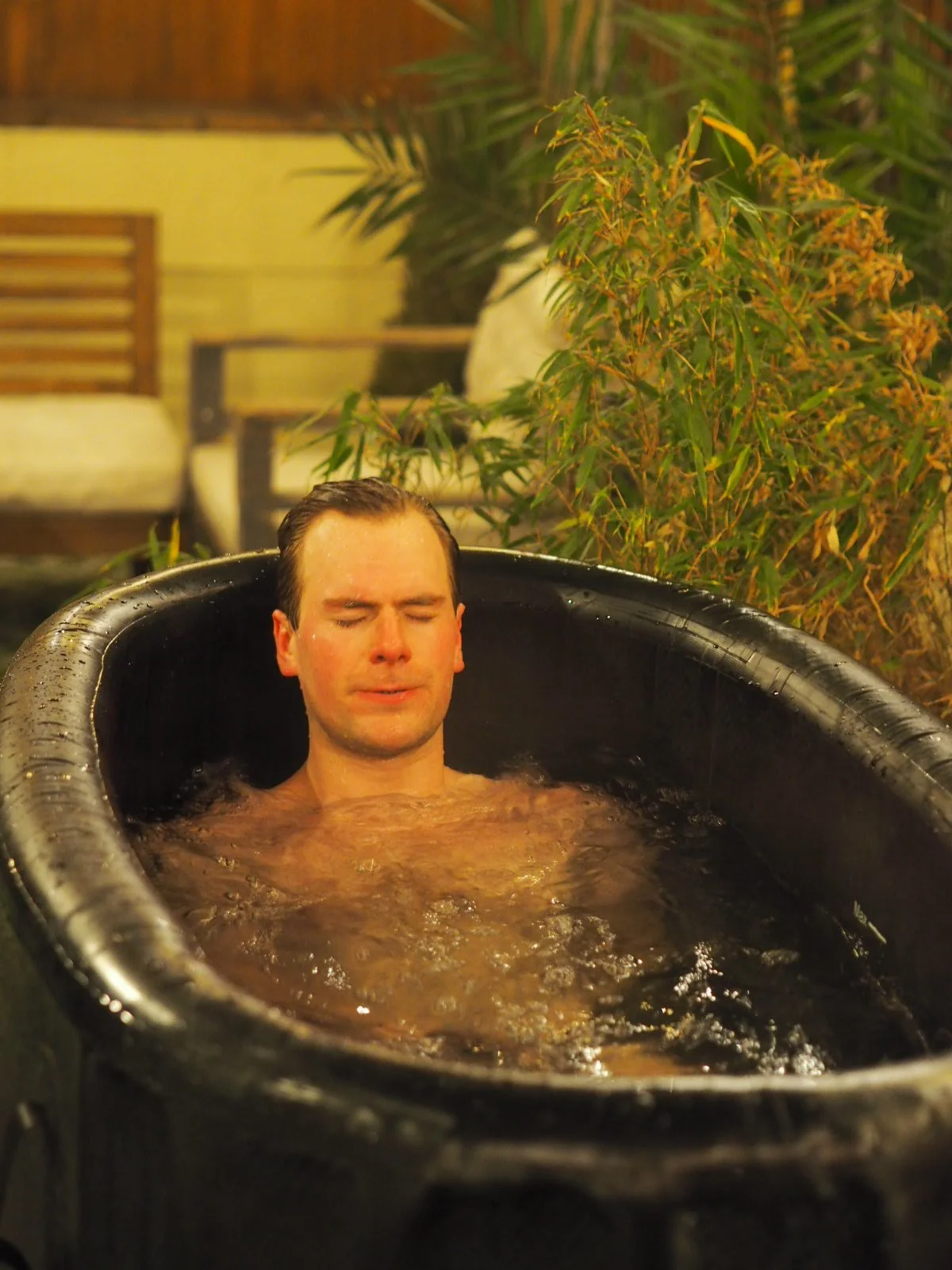
The sudden exposure to cold water triggers the release of adrenaline and endorphins, which can create a powerful sense of alertness and energy. Many guests say they feel noticeably more awake and clear-headed after a round of hot and cold.

Cold water immersion also forces your focus into the present moment. When you step into cold water, your attention shifts immediately to your breathing and the sensation of the water, leaving little room for everyday stress or worries.

This combination of heat relaxation and cold stimulation is one reason contrast therapy has become such a popular mental reset.

2. Faster Muscle Recovery for Athletes

One group that regularly benefits from sauna and cold plunge therapy is athletes.

At Urban Heat we work with several local running communities, and many runners visit the sauna as part of their training routine.

Some runners come twice a week in the build-up to races, and then again immediately after events to support recovery.

We even have a regular marathon runner who visits frequently in the lead-up to races and returns both the day of and the day after a marathon to help his muscles recover.

Athletes who train intensely, including Hyrox competitors, weightlifters and endurance athletes -often report feeling less sore and more mobile after sessions that combine sauna heat and cold plunging.

3. Better Sleep and Deep Relaxation

While cold plunging can energise you, sauna heat has the opposite effect: it promotes relaxation.

Many guests tell us they sleep significantly better after sauna sessions. This is particularly common among people dealing with:

  • insomnia

  • stress from demanding jobs

  • burnout or mental fatigue

  • new parenthood and disrupted sleep

The heat encourages the body to shift into the parasympathetic nervous system, helping the body slow down and prepare for rest.Even when combined with cold plunging, the overall experience often leaves people feeling calmer, lighter and more relaxed.

4. A Circulation Workout for the Body

One of the most fascinating effects of hot and cold therapy is how it impacts circulation.

Heat and cold affect blood vessels in opposite ways.

In the sauna, heat causes vasodilation, meaning blood vessels expand and circulation increases. When you step into cold water, the opposite happens, blood vessels constrict.

Moving between these two environments repeatedly creates a kind of circulatory workout.

Your cardiovascular system constantly adapts between dilation and constriction, helping move blood around the body more dynamically.

This is one reason people often leave sauna and cold plunge sessions feeling refreshed and invigorated.

5. Mental Reset and Stress Relief

Modern life rarely gives us moments of full presence. Hot and cold therapy changes that.

When you move between intense heat and cold water, your body becomes your focus. Breathing slows, awareness increases, and the noise of everyday life fades into the background.

Many people describe the feeling after a cold plunge as a rush of adrenaline followed by calm.

That combination can be a powerful stress release, and one of the reasons people return regularly.

6. Community and Social Connection

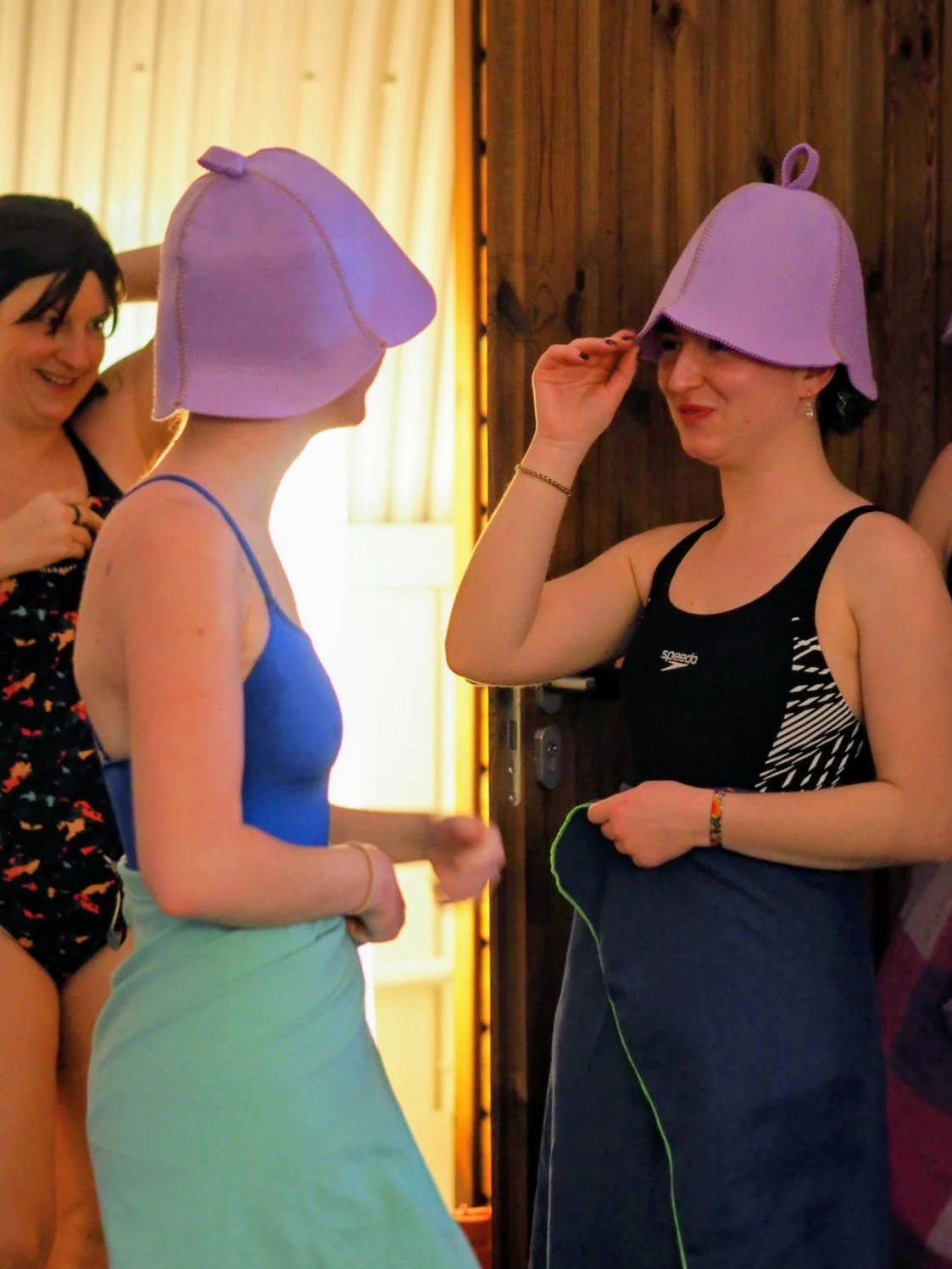
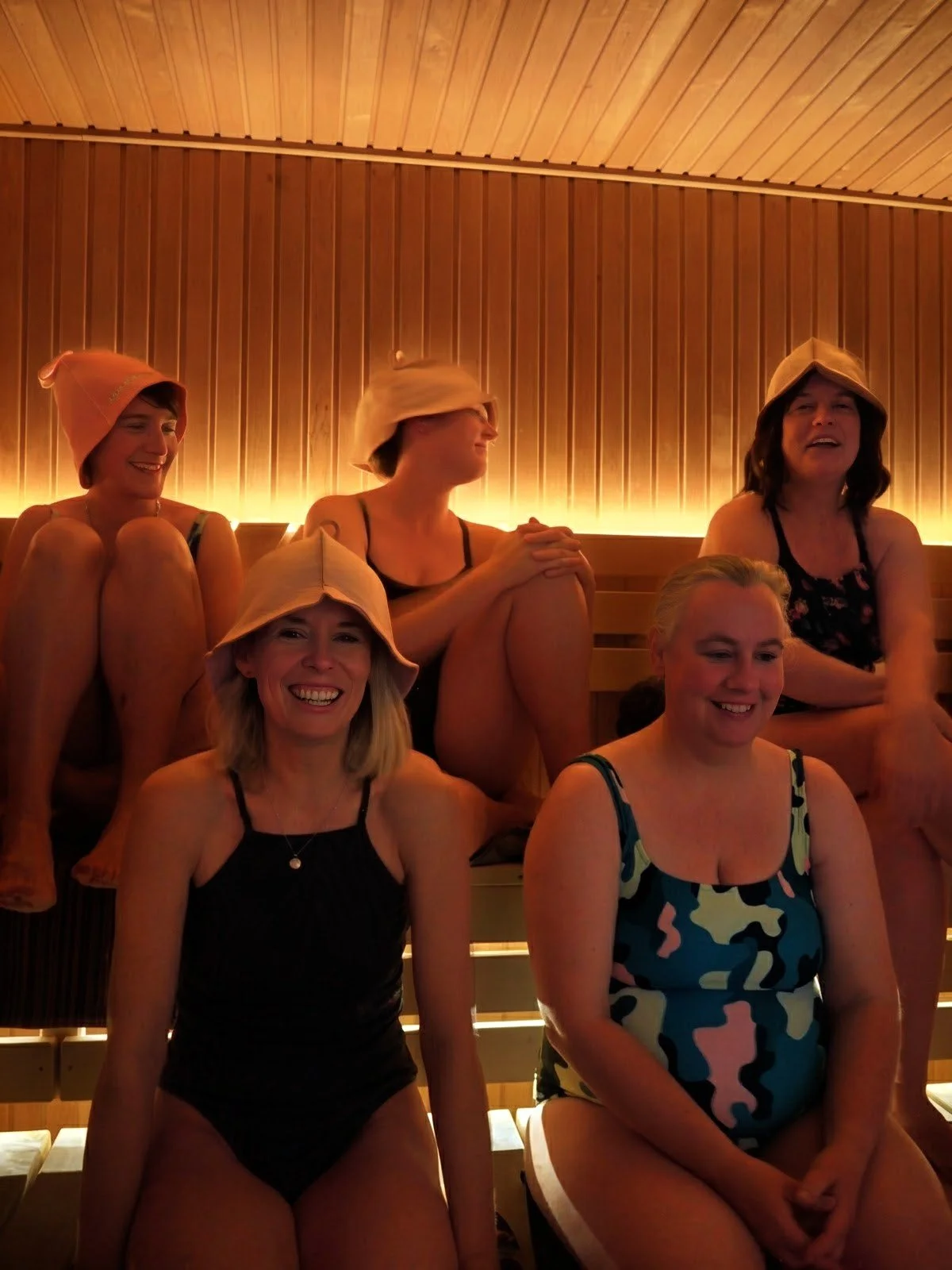
One of the most surprising benefits of communal sauna culture is the sense of connection it creates.

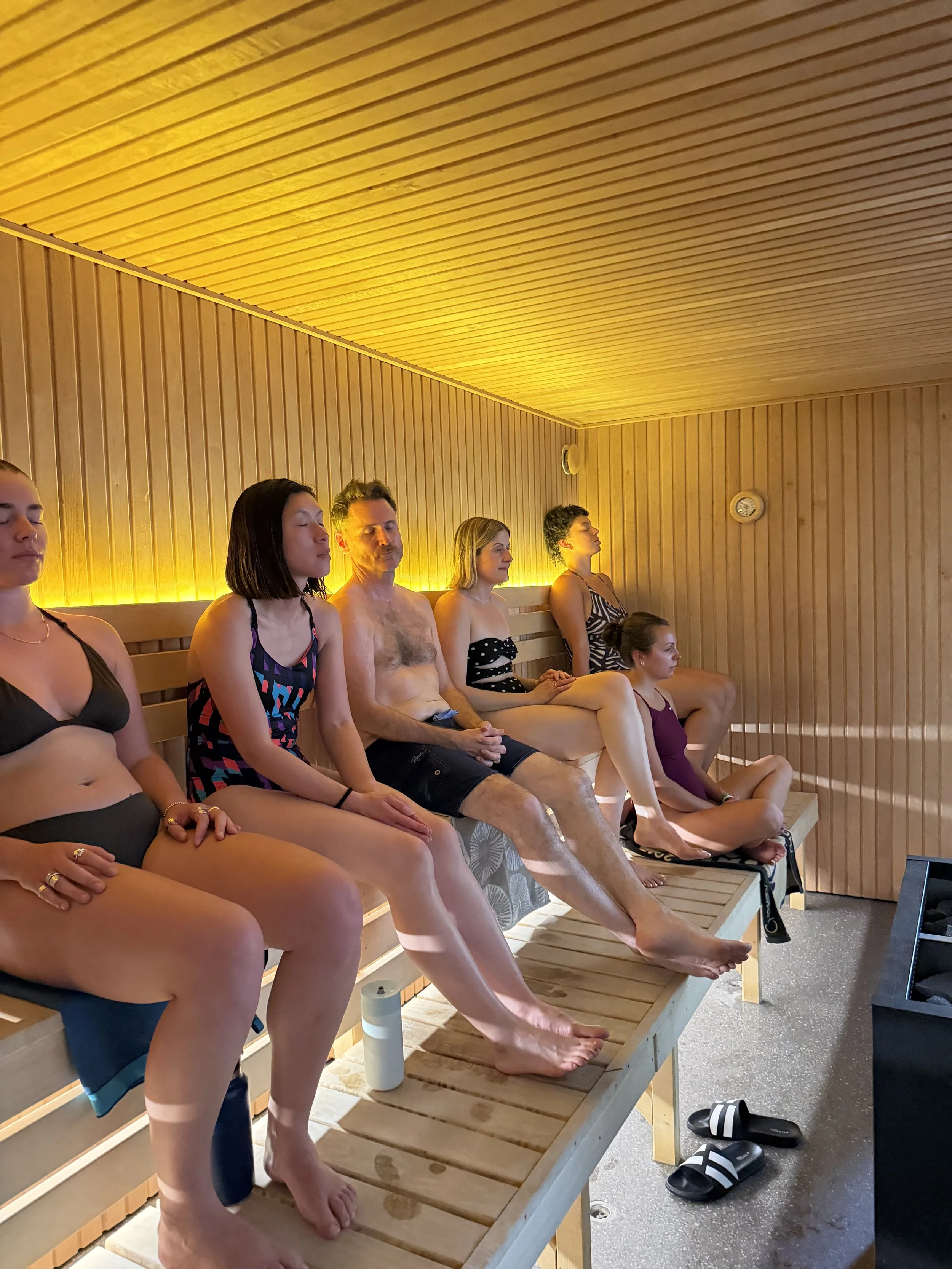
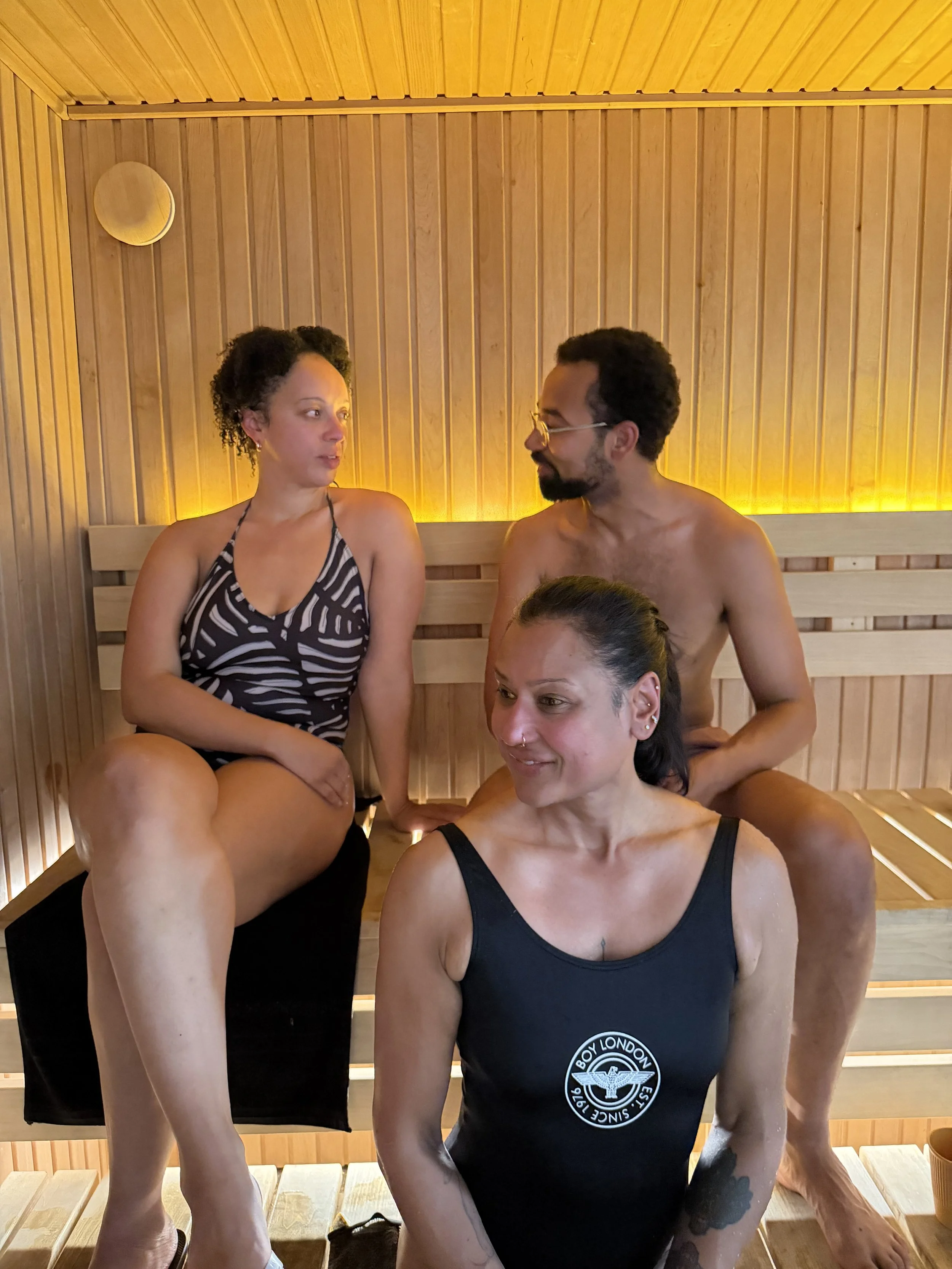
In a shared sauna space, people sit together in the heat. Phones are put away, conversations happen naturally, and social barriers often soften.

Something about the environment lowers inhibitions. You’re sweating, you’re vulnerable, and suddenly talking to a stranger doesn’t feel strange at all.

We’ve seen countless moments where someone arrives alone and ends up having a long conversation with someone they’ve just met.

People swap book recommendations, exchange numbers, or say: “I’ll see you next week.”

That sense of shared ritual and community is something many people don’t realise they’re missing until they experience it.

New to contrast therapy? Try this beginner routine

1. Start with the sauna

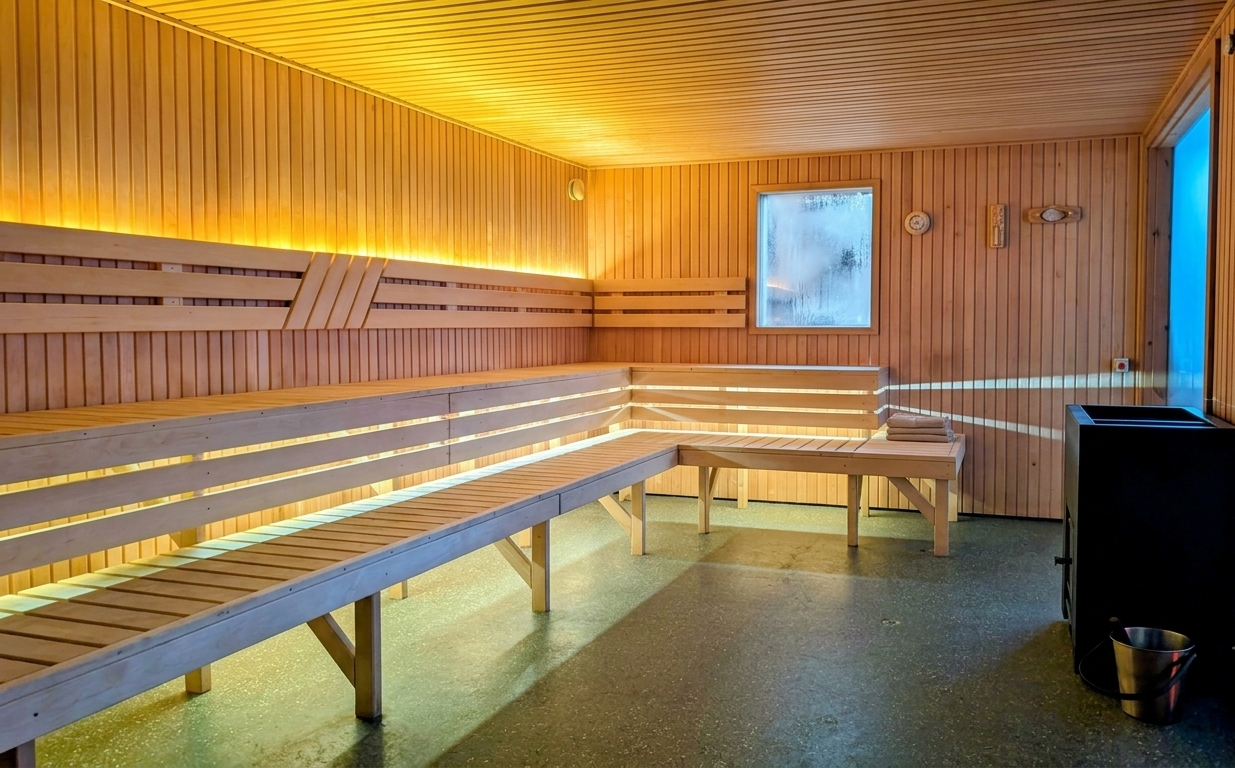
Spend 10–15 minutes in the sauna, which usually sits around 90–95°C. Allow yourself time to warm up fully and begin sweating.

2. Rinse off

Take a quick shower before entering the plunge.

3. Cold plunge

Stay in the cold water for about one minute.

Contrary to popular belief, staying longer doesn’t necessarily increase the benefits.

4. Rest and rebound

Step out of the plunge and allow your body about one minute to recover.

5. Repeat

Most people complete 2–3 rounds within a one-hour session.

6. Finish warm

We usually recommend finishing with a quick sauna round or a hot shower. Ending cold in winter can make it harder for your body to warm up again.

Common Beginner Mistakes

  • Staying in the cold too long - cold plunging isn’t a competition. Around one minute is usually enough.

  • Not fully immersing- we know that feeling, getting into the tun and then….standing there with just your feet in the water. Trust us, this often makes the experience harder!

  • Moving too quickly between hot and cold - your body benefits from a short rebound period between rounds. Give it the time it needs, a minute will do.

  • Not hydrating properly - sweating heavily means losing fluid, so drinking water is important but water alone doesn’t always do the job. We offer celtic salt to help top up the essentials salts & minerals.

Who Benefits Most From Sauna and Cold Plunge?

While almost anyone can enjoy contrast therapy, we often see benefits among:

  • runners and endurance athletes

  • people training intensely (Hyrox, weightlifting)

  • people recovering from injuries or physical pain

  • stressed professionals

  • new parents struggling with sleep

    We’re also seeing more people come purely for the social experience. Friends visit together on weekends, and groups often book sessions for birthdays or celebrations as an alternative to traditional nights out.

Sauna and Cold Plunge FAQs

How long should you stay in a cold plunge after a sauna?

Most people benefit from 30 seconds to 1 minute in the cold plunge. Longer exposure is not necessary for beginners.

How many rounds of sauna and cold plunge should you do?

A typical session includes 2–3 rounds consisting of:

  • 10–15 minutes in the sauna

  • around 1 minute in the cold plunge

  • a short rest period

Should you end hot or cold?

We recommend ending warm, either with a short sauna round or a hot shower.

Is sauna and cold plunge safe for beginners?

Yes. Beginners should start slowly, listen to their bodies, and stay well hydrated.

Final Thoughts..

The real magic of combining sauna and cold plunge isn’t just the physical benefits.

It’s the combination of heat, cold, stillness, and shared experience that leaves people feeling reset.

You step in carrying stress, fatigue or soreness, and leave feeling lighter, clearer, and often unexpectedly connected to the people around you :)